Regulatory Adjustments Reshaping Bonus Allocation Models Across Multi-Game Digital Gambling Networks in Southeast Asia
Écrit par Quinn Long · 3/11/2026
Regulatory Adjustments Reshaping Bonus Allocation Models Across Multi-Game Digital Gambling Networks in Southeast Asia
Regulatory bodies across Southeast Asia continue to refine frameworks that govern bonus allocation in multi-game digital gambling networks, and these shifts affect how operators distribute incentives across slots, table games, and live dealer options. In November 2026 several jurisdictions introduced updated guidelines that cap bonus percentages tied to specific game categories while requiring operators to maintain transparent reporting on player eligibility criteria. These measures aim to align promotional structures with responsible gaming standards that regulators have enforced more strictly over the past two years.
Key Regulatory Changes in Major Markets
Philippine authorities expanded licensing conditions for online platforms operating across multiple game types, and the new rules require operators to allocate bonuses proportionally based on verified player activity rather than flat promotional rates. Singapore's Casino Regulatory Authority updated its guidelines to limit cross-game bonus transfers, which means players cannot automatically convert slot incentives into table game credits without additional verification steps. Malaysian regulators followed suit by mandating that digital networks submit monthly data on bonus redemption patterns, and this requirement covers both domestic and offshore-facing platforms serving regional users.
Operators have responded by redesigning their allocation algorithms to segment bonuses according to game volatility levels and session duration metrics. Data from industry reports indicates that platforms now track player behavior across at least four game categories before releasing promotional funds, and this segmentation reduces the risk of concentrated bonus usage in high-volatility titles. Those who manage multi-game networks report that compliance teams now spend additional hours auditing allocation logs to meet the November 2026 reporting deadlines.
Impact on Multi-Game Network Operations
Multi-game digital networks face increased pressure to integrate real-time compliance modules into their bonus engines, and these modules flag allocations that exceed jurisdiction-specific thresholds. One study from regional gaming associations found that networks operating in three or more Southeast Asian markets adjusted their bonus models at least twice during 2026 to accommodate overlapping regulatory demands. The adjustments include dynamic caps that lower maximum bonus values when players switch between game types within a single session.
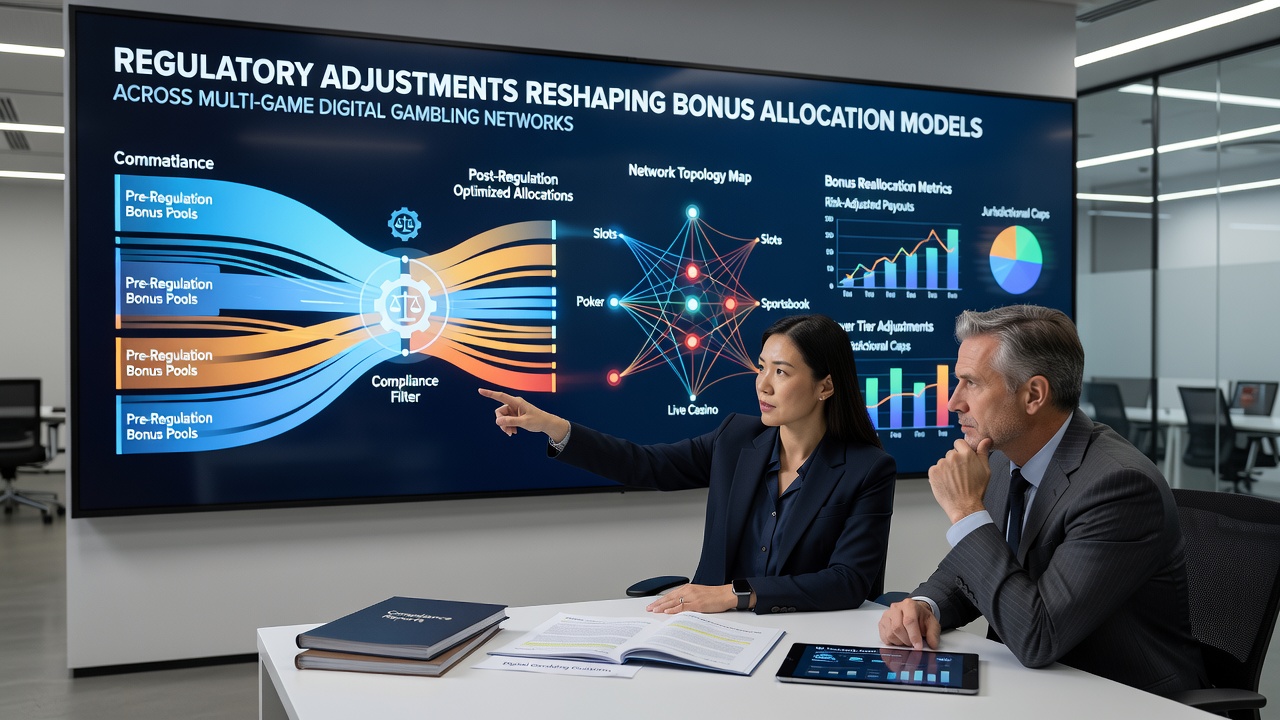
Platform developers have incorporated machine learning tools that predict how regulatory caps will influence player retention rates, and these tools help networks rebalance bonus pools across slots, poker variants, and sports betting modules. Figures from market analyses show that networks adopting these tools reduced compliance violations by measurable margins compared with those relying on manual oversight. Observers note that the integration of such systems often requires partnerships with third-party compliance vendors who specialize in Southeast Asian regulatory environments.
Technical Adjustments in Bonus Distribution Systems
Technical teams at major networks now embed jurisdiction-specific rules directly into backend code, which allows automatic recalculation of bonus values when a player crosses from one market segment to another. This approach replaces earlier static models that applied uniform percentages regardless of regulatory boundaries. According to updates from the Victorian Commission for Gambling and Liquor Regulation, similar segmentation techniques have proven effective in other regions and are now influencing Southeast Asian implementations.
Additional changes include requirements for granular player consent records that document acceptance of bonus terms before funds activate across game categories. Networks must store these records for audit periods that extend up to 36 months under the latest rules, and failure to produce complete logs can result in temporary suspension of promotional activities. Research from academic centers studying digital gambling indicates that such consent mechanisms correlate with lower dispute rates in multi-jurisdiction operations.
Future Outlook for Operators and Compliance Teams
Operators continue to monitor proposed amendments scheduled for early 2027, and these proposals may introduce further restrictions on bonus stacking across live dealer and virtual sports products. Compliance teams have expanded their regional knowledge bases to track subtle differences in enforcement approaches between neighboring countries. Data shared through industry forums reveals that networks with centralized compliance dashboards achieve faster adaptation cycles when new allocation rules take effect.
Conclusion
Regulatory adjustments in Southeast Asia continue to drive structural changes in how multi-game digital gambling networks allocate bonuses, and these changes require ongoing investment in both technology and reporting processes. Networks that maintain flexible systems while meeting the November 2026 standards position themselves for smoother operations as additional guidelines emerge across the region. The emphasis on proportional allocation and cross-game transparency reflects broader efforts to standardize practices while preserving operator flexibility within defined limits.