Mapping the Interplay Between Algorithmic Payout Structures and User Retention in Hybrid Sports and Table Game Applications
Écrit par Quinn Long · 17/11/2026
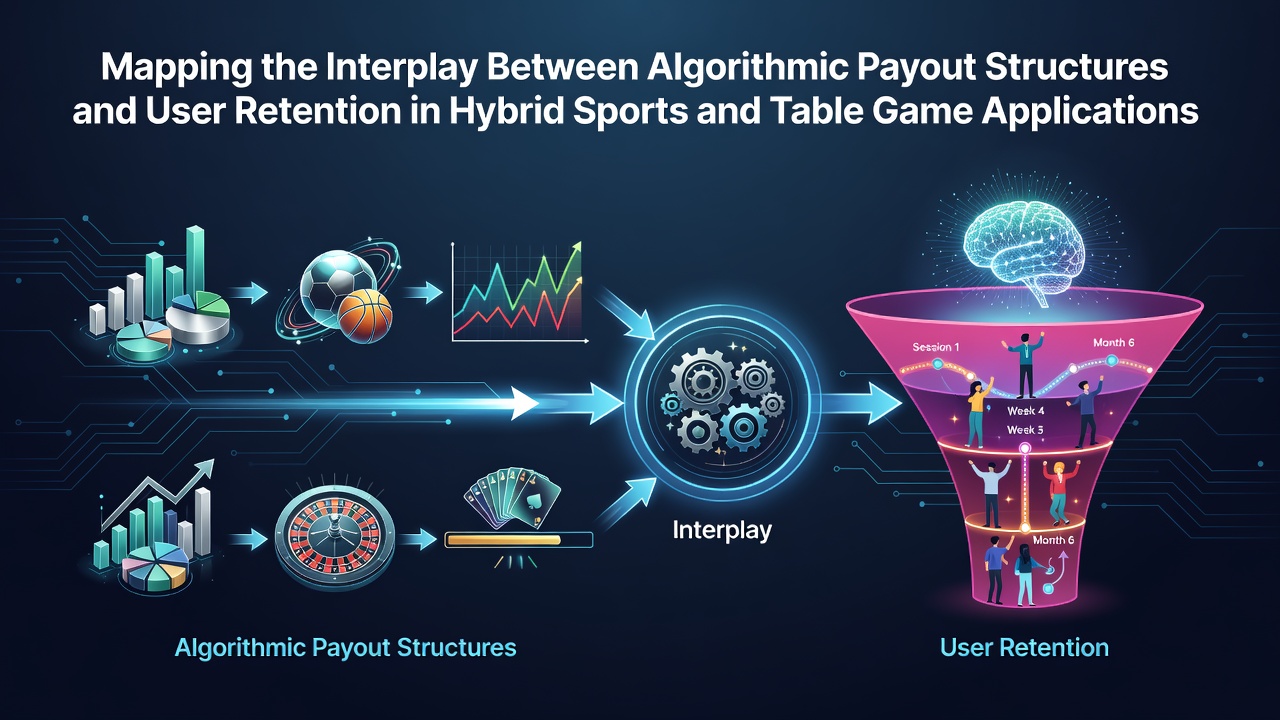
Mapping the Interplay Between Algorithmic Payout Structures and User Retention in Hybrid Sports and Table Game Applications
Hybrid applications that combine sports betting with table games rely on algorithmic payout structures to balance operator margins and player engagement, and these systems process real-time data from both verticals to adjust return-to-player percentages and bonus triggers. Researchers track how variable payout rates in integrated environments influence session continuity, with data from multiple markets showing patterns in user behavior tied to algorithmic adjustments rather than fixed game rules alone.
Core Components of Algorithmic Payout Structures
Algorithmic payout structures operate through machine learning models that analyze player activity across sports wagers and table game rounds, then recalibrate prize distributions to maintain target hold percentages while responding to volume spikes. These models incorporate factors such as bet frequency, game type selection, and time-of-day patterns, and they apply weighted variables to determine when progressive jackpots or streak-based multipliers activate. Operators deploy these systems on platforms that merge live sports feeds with digital table interfaces, which allows the same user account to trigger cross-vertical bonuses based on cumulative play data.
Studies from academic institutions document that payout algorithms in hybrid setups often use reinforcement learning loops to predict churn risk, and they shift reward density accordingly during periods of declining activity. In November 2026, industry reports noted increased adoption of such adaptive engines in Southeast Asian and North American markets, where regulatory filings require disclosure of average RTP ranges across combined product suites. Observers note that these adjustments occur within predefined compliance bands set by licensing authorities, which prevents deviation from approved mathematical models.
Data Patterns Linking Payout Algorithms to Retention Metrics
Retention metrics in hybrid applications include daily active user counts, session length averages, and repeat visit intervals, all of which correlate with payout algorithm outputs according to aggregated platform telemetry. When algorithms increase short-term payout frequency during sports event intermissions, table game participation tends to rise in the same session, and this sequencing effect appears consistently across datasets from multiple operators. Research indicates that users exposed to synchronized reward cycles across both product types demonstrate higher seven-day retention rates than those on single-vertical platforms.

One analysis of multi-game environments revealed that dynamic RTP scaling during high-traffic sports periods reduces drop-off rates by redistributing value toward table game side bets. Those who examined longitudinal user logs found that players who receive algorithmically timed table game bonuses after sports losses return at elevated rates compared with static payout schedules. The interplay becomes measurable when platforms log the exact moment an algorithm modifies a payout table and then compare subsequent login timestamps against control groups.
Regulatory and Technical Frameworks Shaping Implementation
Licensing bodies in various jurisdictions require operators to submit algorithm documentation that details how payout parameters integrate across sports and table game modules, and this oversight extends to audit trails that record every real-time adjustment. Technical standards from organizations such as the Nevada Gaming Control Board specify testing protocols for hybrid systems, ensuring that algorithmic changes remain within certified boundaries even as they respond to live data streams. Similar requirements appear in Australian regulatory updates, where operators must demonstrate that retention-focused payout modifications do not alter the underlying house edge outside approved limits.
Engineers implement these frameworks through modular codebases that separate sports odds engines from table game RNG components while allowing shared bonus ledgers. This architecture supports granular tracking of how payout events in one vertical affect navigation to the other, and it generates the datasets used in retention studies. Data from European research consortia shows that platforms with unified payout ledgers achieve more stable retention curves during seasonal sports fluctuations than those maintaining separate systems.
Measurement Approaches and Industry Benchmarks
Operators measure the interplay through cohort analysis that segments users by their exposure to specific algorithmic payout events, then tracks progression through retention funnels over 30- and 90-day windows. Benchmarks published by trade groups indicate that hybrid applications achieve average retention lifts when payout algorithms prioritize cross-vertical triggers over isolated game rewards. These benchmarks draw from anonymized telemetry submitted to industry research bodies, which compile figures across regions without disclosing individual operator identities.
Technical teams apply statistical models such as survival analysis to quantify how long users remain active after encountering particular payout sequences, and they feed results back into algorithm training sets. This closed-loop process allows continuous refinement while staying within regulatory reporting cycles. Figures released in late 2026 highlighted that platforms incorporating sports-to-table payout handoffs recorded measurable improvements in monthly active user stability compared with earlier static configurations.
Conclusion
The mapping of algorithmic payout structures against user retention in hybrid sports and table game applications rests on observable data flows, regulatory compliance records, and platform telemetry that connect payout timing with session continuation patterns. As these systems evolve under existing oversight frameworks, the documented relationships between algorithm outputs and retention indicators continue to inform operational decisions across multiple markets.